
Add Your Heading Text Here
Add Your Heading Text Here
Lorem ipsum dolor sit amet, consectetur adipiscing elit. Ut elit tellus, luctus nec ullamcorper mattis, pulvinar dapibus leo.
Add Your Heading Text Here
Lorem ipsum dolor sit amet, consectetur adipiscing elit. Ut elit tellus, luctus nec ullamcorper mattis, pulvinar dapibus leo.
Add Your Heading Text Here

The interior design of a capsule house, also known as a micro home or tiny house, emphasizes functionality, space efficiency, and comfort within a compact living space. Here are some key considerations and design elements often found in capsule house interiors:
Multi-Functional Furniture: Due to limited space, furniture pieces are often designed to serve multiple purposes. Examples include sofa beds, dining tables with built-in storage, and folding chairs that can be stowed away when not in use.
Space-Saving Storage Solutions: Utilize vertical space and hidden storage compartments to maximize storage capacity. Options include wall-mounted shelves, under-bed storage bins, and built-in cabinets with sliding doors.
Minimalist Aesthetic: Embrace a minimalist design approach with clean lines, simple color palettes, and clutter-free surfaces. Opt for light-colored walls and furnishings to create a sense of openness and airiness.
Flexible Layouts: Design the interior layout to be flexible and adaptable to different needs and activities. Consider movable partitions, sliding doors, and convertible furniture arrangements to optimize space usage.
Natural Light and Ventilation: Incorporate ample windows, skylights, and strategically placed ventilation to enhance natural light and airflow within the space. This helps create a sense of openness and connection to the outdoors.
Compact Kitchen and Bathroom: Design the kitchen and bathroom areas to be compact yet functional. Install space-saving appliances, such as compact refrigerators and combination washer-dryer units, and utilize modular fixtures to optimize space usage.
Integrated Technology: Incorporate smart home technologies and space-saving gadgets to enhance convenience and efficiency. Examples include integrated lighting controls, compact entertainment systems, and space-saving kitchen appliances.
Personalized Touches: Despite the limited space, add personal touches and decorative elements to make the space feel cozy and inviting. Consider incorporating plants, artwork, textiles, and other decorative accents that reflect the occupant’s personality and style.
Maximized Vertical Space: Take advantage of vertical space by installing lofted sleeping areas, mezzanine levels, or elevated storage platforms. This helps free up floor space for living and dining areas while still providing comfortable sleeping quarters.
Outdoor Living Spaces: If feasible, create outdoor living spaces such as balconies, terraces, or rooftop gardens to expand the usable living area and connect residents with nature.
Overall, the interior design of a capsule house should prioritize functionality, efficiency, and comfort while reflecting the unique lifestyle and preferences of its occupants. By carefully planning the layout, selecting space-saving furnishings, and incorporating thoughtful design elements, a capsule house can offer a stylish and comfortable living space within a small footprint.


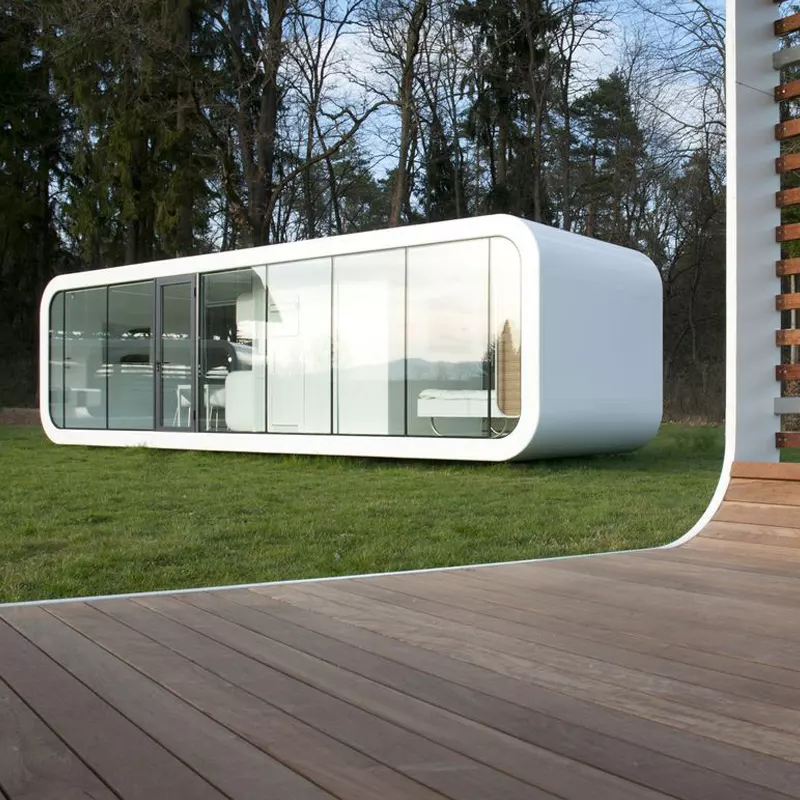

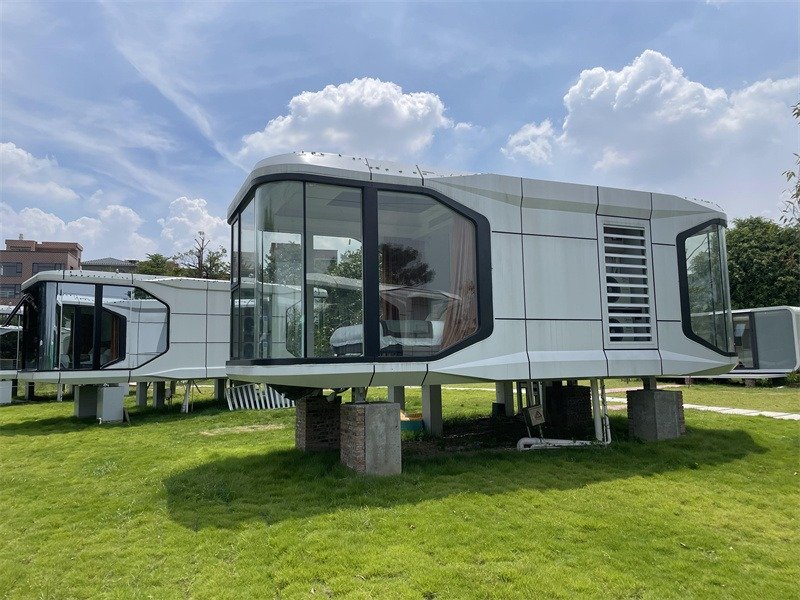


Here are some general ideas and characteristics that might be associated with an “Apple Cabin House”:
Rural Setting: An Apple Cabin House could be situated in a rural or countryside location, perhaps near apple orchards or agricultural areas.
Rustic Design: The house might feature a rustic design aesthetic, with elements such as exposed wood beams, log construction, or stone accents to evoke a sense of warmth and coziness.
Orchard Views: The design might incorporate large windows or outdoor living spaces that provide views of apple orchards or scenic countryside landscapes.
Farmhouse Style: The house might draw inspiration from traditional farmhouse architecture, with a pitched roof, front porch, and simple, functional design elements.
Natural Materials: Materials such as wood, stone, and reclaimed materials might be used in the construction of the house to create a natural and harmonious blend with the surrounding landscape.
Cozy Interior: Inside, the Apple Cabin House might feature a cozy and inviting interior with comfortable furnishings, a wood-burning fireplace, and elements of rustic charm.
Proximity to Nature: The house might be designed to facilitate a connection with nature, with outdoor spaces for gardening, relaxation, and outdoor activities.
While there isn’t a specific architectural style known as an “Apple Cabin House,” the concept could encompass a variety of design ideas inspired by rural living and the natural beauty of apple orchards and countryside settings. It’s a charming and evocative idea that conjures images of idyllic rural living and cozy retreats amidst nature.